

As the calendar winds down many construction teams face a familiar challenge: how to finish the year strong without sacrificing quality or momentum. Year-end project delivery can feel like a rush but with the right planning and expectations it can become an advantage rather than a hurdle.
One of the biggest reasons for urgency at the end of the year is simple timelines. Many commercial contracts and budgets are tied to calendar years. Teams push to complete work before holidays equipment shutdowns and weather interruptions so they can start fresh in January. That annual wrap-up mentality can create pressure, but it also forces focus and clarity on priorities that might otherwise drift. (TalentCorps)
Good scheduling is the backbone of any successful year-end push. A robust construction schedule lays out not just dates but sequences, dependencies and milestones. When teams know what must happen first and what can flex there is less chaos and more predictable results. Tools such as Gantt charts shared calendars and daily logs help teams stay aligned and accountable. (SmartSheet)
Avoiding holiday delays also demands early communication with clients subcontractors and suppliers. If vendors know delivery targets weeks ahead they can plan manpower and logistics accordingly. Delays often happen not because work is difficult but because the rhythm of the season interrupts supply chains and labor availability. Proactive outreach prevents surprises. (GBR Construction)
There are also strategic advantages to completing work at year-end. When companies finish strong they often free capacity for new contracts come January. Teams that clear their backlog can hit the ground running in the new year without the drag of carryover tasks. A focused finish boosts morale, strengthens client relationships and positions firms for early wins in the next cycle. (MSAdvocate)
Year-end rushes may seem chaotic but they also create clarity. Deadlines sharpen decision-making and force teams to prioritize mission-critical work. When schedules are clear stakeholders know what matters most and where flexibility exists. Experienced project managers use year-end pressure to refine workflows rather than fight against them. (Stacker)
Even large institutional projects benefit from thoughtful year-end planning. Universities and public agencies often align construction milestones with academic calendars or fiscal cycles to minimize disruption. For instance major campus renovations aiming for spring semesters factor winter breaks and holiday closures into their timeline well in advance. This proactive stance reduces stress when December arrives. (SGF Citizen)
Ultimately the difference between a stressful year-end and a successful one comes down to preparation. Solid scheduling realistic expectations and clear communication turn tight deadlines into predictable outcomes. Finishing the year strong requires more than speed — it requires intention.
If you are a builder developer or project leader planning to close out work this season remember that urgency can be harnessed as a tool. When teams know what needs to be done and why it matters you get alignment not anxiety.
Strong finishes lead to strong beginnings. Plan well, communicate clearly and use the year-end momentum to set up success in the year ahead.
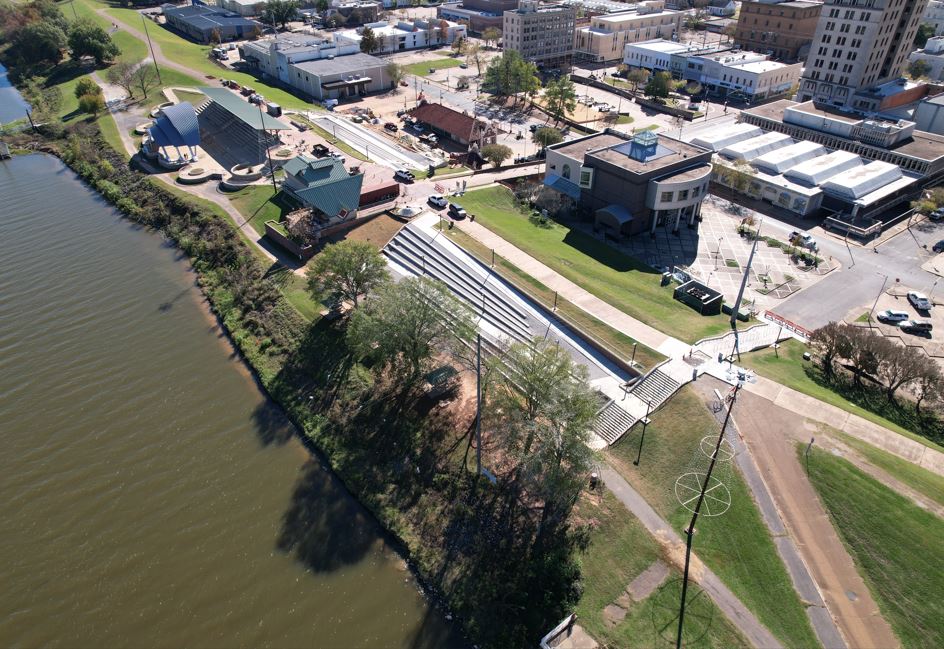
Strategic year-end construction planning supports on-time project delivery